How Much Does Home Remodeling Cost in Peachtree Corners, GA?
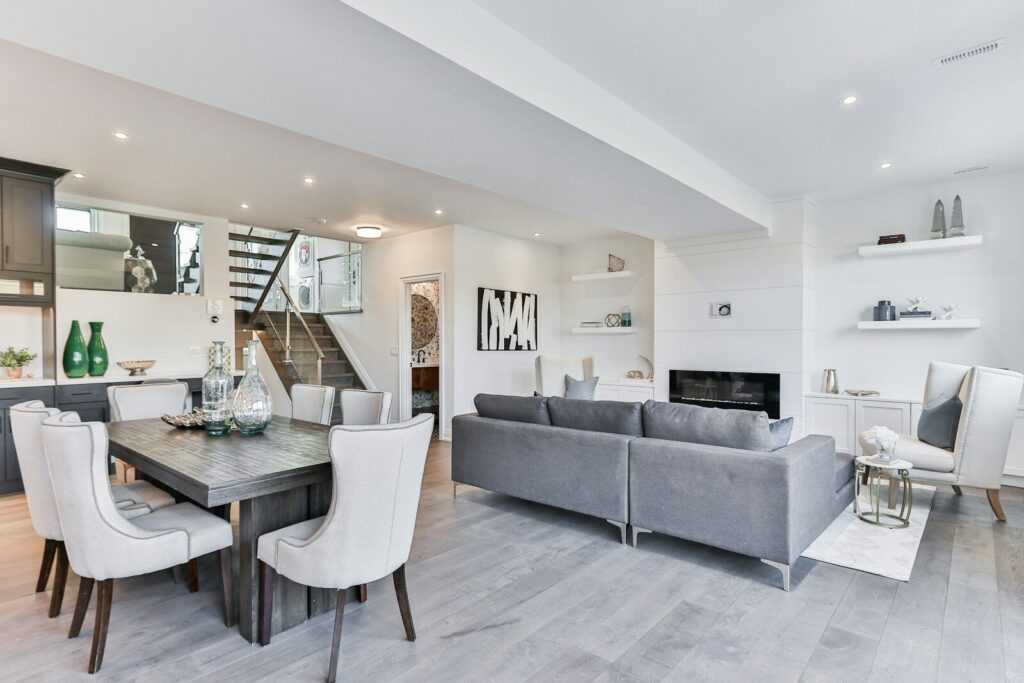
Remodeling cost guidance for Peachtree Corners, GA homeowners starts with clear numbers, realistic timelines and local knowledge.
If you own a home in Peachtree Corners, you have probably wondered what a remodel would really cost before you ever pick up the phone. Also, it is a fair question, and an honest answer is rarely a single number. The cost of a remodel depends on the size of the space, the age of the house, the finishes you choose, what is hiding behind the walls, and how much of the work is cosmetic versus structural. This guide walks through how remodeling costs are built, what tends to push a budget up or down in our area, and how to decide where your money does the most good. In addition, we will not throw out made-up price tags. Instead, we will show you how to think about the numbers so that when you receive a written estimate, you know what you are looking at.
Remodeling cost: questions to settle early
At Peachtree Crest Renovations we work with homeowners across Peachtree Corners every day, and the same questions come up again and again. Where does the money go. Which rooms are worth the investment. What should we set aside for surprises. Additionally, the sections below answer those questions in plain language.
What a remodel cost is actually made of
Every remodeling estimate, no matter how it is presented, comes down to a handful of building blocks. Understanding them makes any quote easier to read and compare.
- Labor. Skilled trades such as framing, plumbing, electrical, tile, drywall, and finish carpentry. Labor is often the largest share of a remodel, and it rises when the work is intricate or when several trades must be sequenced around one another.
- Materials and fixtures. Cabinets, countertops, flooring, tile, plumbing fixtures, lighting, windows, and paint. This is the part you can steer most directly through your choices.
- Permits and inspections. Required for many projects, particularly anything touching structure, electrical, plumbing, or mechanical systems.
- Project management and overhead. Scheduling, ordering, site protection, daily cleanup, insurance, and the time spent keeping a job on track.
- Contingency. A reserve for the unexpected, which in an older home is not optional.
When two quotes for the same room look very different, the gap almost always lives in one of these categories. One bid may assume builder-grade fixtures while the other assumes custom ones. One may include permits and the other may leave them to you. Ask for line items, and the picture clears up quickly.
What drives the price up or down in Peachtree Corners – remodeling cost advice
Peachtree Corners is a community of about 42,243 residents and roughly 18,028 housing units, according to the City of Peachtree Corners community profile. A little over half of those homes, 52.5 percent, are owner-occupied, and the median home value sits around $425,100. Those figures describe a market of established neighborhoods where many homeowners are investing in the houses they already love rather than moving.
Source: City of Peachtree Corners, Community Profile and Demographics (peachtreecornersga.gov).
What that means for cost is practical. Furthermore, many homes here were built across different decades, so the work behind the walls varies a great deal from one address to the next. A house with original wiring or older plumbing supply lines will require more than a fresh coat of paint and new tile. A newer home with an open plan may allow a clean, quick refresh. Here are the factors that most often move a budget.
- Size and scope. A larger footprint means more material and more hours. A project that changes the layout costs more than one that keeps everything in place.
- Moving plumbing, gas, or electrical. Relocating a sink, range, or shower is a major cost driver because it opens floors and walls.
- Structural changes. Removing a load-bearing wall, adding a beam, or extending the footprint brings engineering, permits, and more labor.
- Finish level. Stock cabinets and laminate behave very differently on a budget than custom cabinetry and natural stone.
- Hidden conditions. Water damage, rot, outdated wiring, or code upgrades discovered once walls are open.
- Access and site conditions. Steep lots, tight driveways, and second-story work can add time.
Remodeling cost: what to confirm in writing
Limited offer
Free In-Home Consultation
Walk your space with a licensed Peachtree Crest Renovations estimator and get a written scope and range. Mention code FREECONSULT when you book.
Claim this offer →Cost by project type: what to expect from each room
Different projects carry different cost profiles. Rather than quote prices that can be out of date by the time you read them, here is how each major project type behaves, so you can place your own plans on the spectrum.
Kitchens. The kitchen is usually the most variable room in the house. A minor refresh, with new cabinet fronts, countertops, a backsplash, and updated hardware and lighting, sits at one end. A major remodel with new cabinet layout, relocated appliances, new flooring, and upgraded electrical sits at the other. Cabinetry and countertops tend to take the biggest bite, and appliances can swing the total widely depending on brand and style. If you are thinking about a kitchen, our kitchen remodeling page explains how we approach the work.
Bathrooms. Bathrooms are small, but they are dense with expensive work: waterproofing, tile, plumbing, ventilation, and electrical in a tight footprint. A cosmetic update that swaps a vanity, mirror, lighting, and paint costs far less than a full gut with a new shower, tile floor, and relocated drains. Walk-in showers with custom tile are labor intensive, which is why they cost more than a prefabricated insert.
Remodeling cost: local points to check
Basements. Finishing a basement can add real living space without changing the roofline. Cost depends on moisture control, ceiling height, egress requirements, whether a bathroom is added, and how much framing, insulation, and electrical is needed.
Remodeling cost: what this means for your project
Additions and whole-home projects. Anything that extends the footprint, such as a primary suite or a new family room, involves foundation, framing, roofing, siding, mechanical systems, and finishes all at once. That is why additions sit at the higher end of the spectrum.
Outdoor living. Decks, patios, and covered porches vary with materials. Pressure-treated wood, composite decking, and stone each carry a different price and a different maintenance story.
Where the money tends to go in a typical project – remodeling cost advice
It helps to think of a remodel budget as a pie, because it reminds you that the thing you notice most, such as the countertop, is rarely the whole story. In a kitchen, cabinetry and installation commonly take the largest slice. Labor for demolition, plumbing, electrical, and finishing follows closely. Countertops, appliances, flooring, and lighting divide most of what remains.
In a bathroom, a surprising share goes to what you will never see again once the job is done: the waterproofing membrane, the substrate, the shower valve, and the drain. Those items protect the house for decades, and cutting corners there is the most expensive mistake in the long run. We would rather you spend a bit more on the hidden work and a bit less on a decorative accent you can swap later.
As a rule, spend on what is hard to change and save on what is easy to change. Layout, plumbing, structure, cabinets, and waterproofing are hard to change. Paint, hardware, light fixtures, and decor are easy. Homeowners who follow that rule tend to be happy with their results years later.
What you get back: Cost vs. Value in plain English
Not every dollar you spend on a remodel returns at resale, and that is fine, because you live in the house too. Still, it is useful to know which projects tend to recoup more of their cost. Moreover, the Remodeling magazine Cost vs. Value Report 2025 tracks the share of project cost recouped at resale, using national averages. Here are some of the figures most relevant to Peachtree Corners homeowners.
Share of project cost recouped at resale, 2025
Source: Remodeling magazine, Cost vs. Value Report 2025 (national averages, share of project cost recouped at resale).
A few lessons stand out. First, modest, well-targeted projects tend to return the most. A minor midrange kitchen refresh recouped more than its cost in the report, which is unusual. Second, a basement remodel and a deck both recouped a large share. Third, the more upscale a project becomes, the lower the percentage tends to be. An upscale major kitchen recouped far less than a midrange minor one.
Remodeling cost: how to compare your options
That does not mean you should avoid a dream kitchen. It means you should be clear about your reasons. If you plan to stay for a decade and love to cook, the daily enjoyment is a return of its own. Also, if you plan to sell within a few years, a thoughtful midrange update is usually the smarter play. These are national figures, so treat them as a guide rather than a promise for any single house on your street.
Permits, inspections, and local requirements
Many remodeling projects need a permit, and the permit is part of your total cost. In Peachtree Corners, building and land-use permitting is typically handled through the City of Peachtree Corners, and depending on the project, some reviews or inspections may involve Gwinnett County. Requirements can differ by project type and by property, so we confirm the correct path for your address before work begins.
Projects that commonly require permits include structural changes, additions, new or relocated plumbing and electrical, mechanical work, and sometimes decks. Cosmetic updates such as paint and flooring often do not. Permits protect you. They create an inspection record, they help ensure the work meets code, and they can matter when you sell, because buyers and their inspectors sometimes ask whether past work was permitted.
If a contractor suggests skipping the permit to save money or time, be cautious. Unpermitted work can create trouble with insurance, resale, and safety. A good contractor builds the permit time into the schedule and the cost into the estimate. In addition, if your property is in a homeowners association, also check whether it requires design approval for exterior work, which is separate from the city permit.
How to budget wisely and plan for surprises
A realistic budget has three layers. The first is the base scope, which is everything you and your contractor have agreed to in writing. Additionally, the second is your selections allowance, which covers items you have not chosen yet, such as tile or fixtures. Furthermore, the third is a contingency reserve for the unexpected.
For contingency, many homeowners and contractors set aside a cushion on top of the base scope, and the cushion is commonly larger for older homes where wall and floor conditions are unknown. Moreover, we will not put a fixed figure on it, because it depends on your house, but we do recommend that you treat it as real money you may need rather than a number you hope to keep.
- Decide your priorities first. Write down your top three goals, such as more storage, better light, or a safer shower, so you can protect those items if costs rise.
- Choose selections early. Late changes to cabinets, tile, or fixtures are a leading cause of delays and added cost.
- Get everything in writing. A clear scope, a payment schedule, and a change-order process prevent misunderstandings.
- Separate needs from wants. Fix the roof leak before the backsplash, and the wiring before the pendant lights.
- Keep your financing simple. Know in advance how you will pay, whether from savings, a home equity option, or a renovation loan, and talk to your lender early.
Our cost guide and planning guide go deeper on budgeting and preparation if you want a step-by-step companion to this article.
How to compare estimates and avoid the common traps
When you collect two or three estimates, resist the urge to simply pick the lowest. The cheapest bid is sometimes cheap because it leaves things out. Compare them line by line, and use these questions as a checklist.
- Does the estimate list the specific products, brands, or allowances for cabinets, counters, tile, and fixtures
- Are permits, inspections, and debris removal included or excluded
- Who is responsible for ordering materials and for delays when something arrives late
- What is the payment schedule, and is it tied to completed milestones rather than dates
- How are changes handled, and will you see the price of a change before the work happens
- Is the contractor licensed and insured, and can they show it
- What warranty or workmanship guarantee is offered, and in writing
A trustworthy estimate reads like a plan, not a mystery. If a number cannot be explained, ask. Also, a good contractor will be glad to walk you through it, because an informed client is an easier client to work with.
Be wary, too, of pressure to sign immediately, of a deposit that is unusually large, and of vague scopes such as simply stating a room will be remodeled. The more specific the document, the fewer arguments later. Our process page explains how we move from consultation to written scope to completed project so there are no surprises about what happens next.
Ways to get more from your budget without cutting quality
You do not have to compromise on craftsmanship to keep a project in range. A few strategies consistently help.
- Keep the layout. Leaving sinks, toilets, and ranges where they are avoids the cost of moving plumbing and gas lines.
- Mix price levels. Splurge on one focal feature, such as a statement tile wall or a beautiful range hood, and choose simpler materials elsewhere.
- Refresh instead of replace. Solid cabinet boxes can often be refaced or repainted, which may save a great deal compared with new cabinetry.
- Phase the work. Do the structural and mechanical parts now, and add finishing touches later as budget allows.
- Bundle projects. Doing a kitchen and adjoining flooring together can reduce duplicate setup, protection, and cleanup.
- Order early. Lead times on special-order items can stretch, and rushing can limit your choices.
The point is to spend where it matters. A well-planned midrange remodel, done carefully, almost always beats a rushed high-end one.
Limited offer
Free In-Home Consultation
Walk your space with a licensed Peachtree Crest Renovations estimator and get a written scope and range. Mention code FREECONSULT when you book.
Claim this offer →Frequently asked questions
How much does a home remodel cost in Peachtree Corners?
It depends on the room, the size, the finishes, and the condition of the house. A cosmetic refresh costs far less than a full gut or an addition. In addition, the most reliable way to get a real number is a written estimate based on an in-home visit, which we offer through our free consultation.
Which remodeling projects give the best return?
According to the Cost vs. Value Report 2025, a minor midrange kitchen remodel recouped 111.8 percent of its cost, a basement remodel 91.9 percent, and a composite deck 81.1 percent. Additionally, these are national averages, and results vary by home and market.
Do I need a permit for my remodel?
Often yes, especially for structural, electrical, plumbing, or mechanical work and additions. Permits in Peachtree Corners are generally handled through the City, with Gwinnett County involved for some items. Furthermore, we confirm the requirements for your address before work starts.
How much should I set aside for surprises?
Plan on a contingency reserve beyond your base scope. Older homes with unknown conditions behind the walls deserve a larger cushion than newer ones. Moreover, your contractor can help you size it once they have seen the space.
Why do two estimates for the same project differ so much?
Usually because of different assumptions about materials, scope, permits, or what is excluded. Ask each contractor for line items and allowances so you can compare like with like.
Is it cheaper to remodel in phases?
Sometimes it spreads the cost, but it can also repeat setup and disruption. Phasing works best when the structural and mechanical work is done first and finishes are added later according to a clear plan.
Keep reading: Remodeling cost guide · Planning your project · Kitchen remodeling
Get a clear, written estimate for your remodel
Call (470) 847-9076 or request an estimate. Licensed and insured, serving Peachtree Corners, GA.
Request an estimate →Remodeling cost key takeaways
- Start every remodeling cost project with a written scope, a budget range and a target finish date.
- A realistic remodeling cost plan separates must-haves from nice-to-haves before bids are requested.
- For remodeling cost in Peachtree Corners, GA, confirm permits and HOA rules before design is final.
- Ask for a written estimate that itemizes labor, materials and allowances for your remodeling cost work.
- Good remodeling cost planning accounts for local lot sizes, older homes and Georgia weather.
- Book a free in-home consultation to price your remodeling cost project with a licensed local team.
- Compare at least two written bids so your remodeling cost budget rests on real numbers.
- Keep a 10 to 15 percent contingency in your remodeling cost budget for surprises behind walls.
Remodeling cost FAQ
What should I know first about remodeling cost in Peachtree Corners?
Define scope, budget and timeline, then compare written estimates. Remodeling cost projects go smoothly when decisions are made before demolition.
How do I budget for remodeling cost?
Add a contingency of 10 to 15 percent to your remodeling cost budget and confirm allowances in writing.
Does remodeling cost need a permit?
Many remodeling cost projects in Gwinnett County need permits, so ask your contractor to confirm requirements before work starts.
How do I get started?
Call (470) 847-9076 or request a free in-home consultation with code FREECONSULT to start your remodeling cost plan.
Source for cost-versus-value figures: Remodeling magazine Cost vs Value report. Local market figures use the Peachtree Corners city profile.