Kitchen remodeling Options: What to Compare Before You Decide
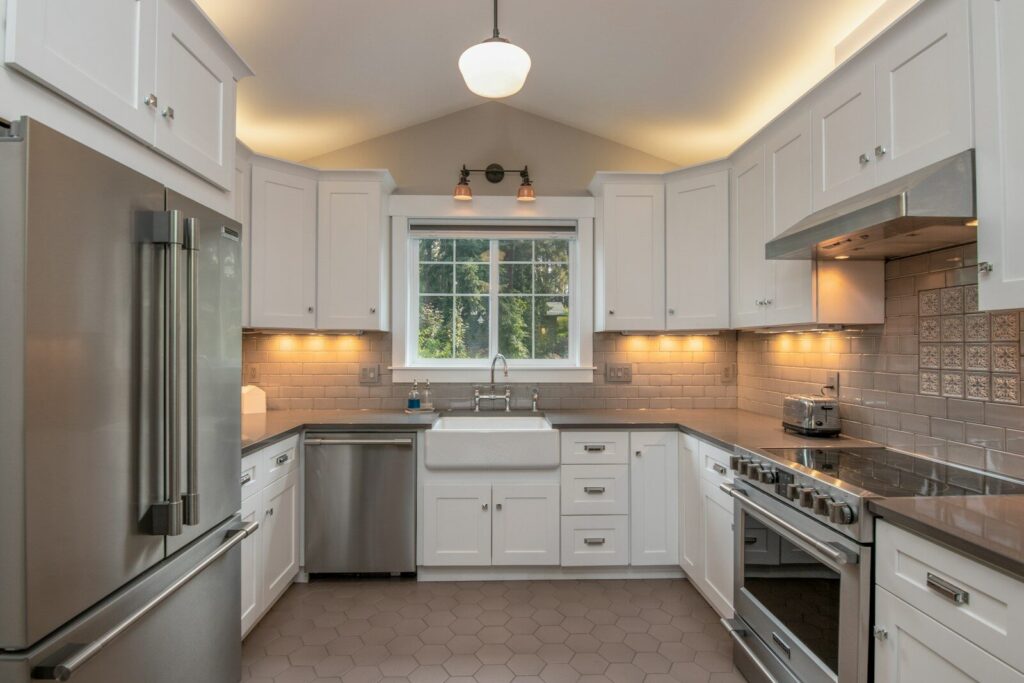
Kitchen remodeling options is easier when you know the steps, so this guide explains them in plain language. Moreover, it uses real Georgia details and clear checklists. Finally, use code FREECONSULT to waive the consultation fee with Peachtree Crest Renovations.
Why kitchen remodeling options matters for metro Atlanta homes
A kitchen sits at the center of daily life, so every design choice gets used constantly. Furthermore, cooking, homework and entertaining all happen in the same room. Likewise, aging cabinets and tired layouts waste space. As a result, a clear plan pays off for years.
Key kitchen remodeling options to compare
Because every home is different, we walk through the main choices before you commit.
Layout and flow
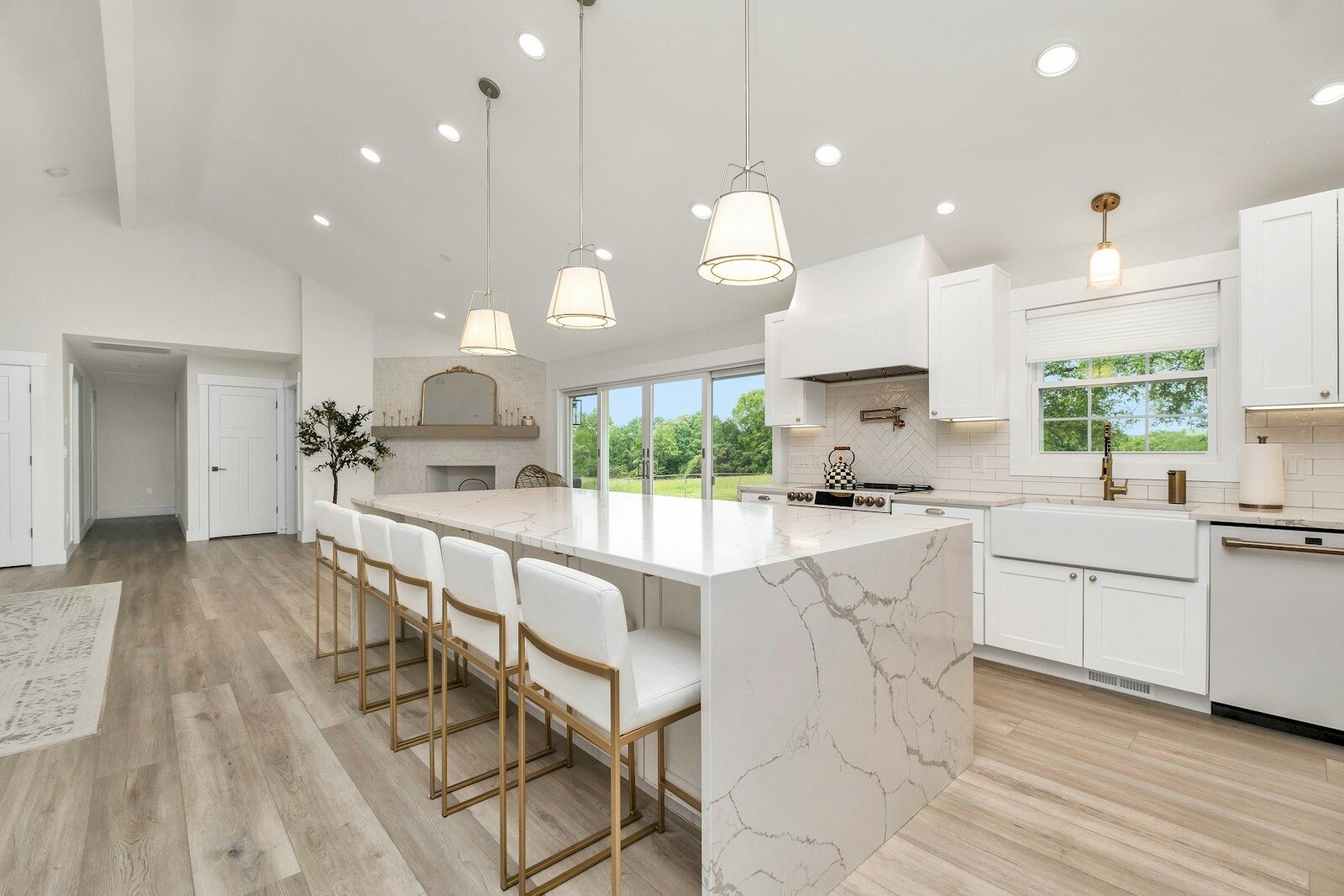
A better work triangle between the sink, range and refrigerator saves steps every day. Meanwhile, an island or peninsula adds seating and counter space when the room allows it.
Cabinetry
Stock, semi-custom and custom cabinets each fit different needs. For example, deep drawers and pull-outs make lower cabinets far more usable than fixed shelves.
Countertops
Quartz, granite and solid surface each handle heat and stains differently. Therefore, we match the material to how you actually cook.
Lighting
Layered lighting combines ceiling, under-cabinet and accent light. As a result, the room feels brighter and work areas stay shadow-free.
Appliances
Gas, electric and induction ranges need different hookups and ventilation. In addition, a properly sized hood protects air quality.
How to choose among kitchen remodeling options
First, rank your priorities: budget, durability, appearance and upkeep. Next, match each option to those priorities. As a result, the decision becomes clearer.
- Cabinetry and storage layout
- Countertops and backsplash
- Lighting and electrical circuits
- Plumbing and appliance hookups
- Flooring and trim
The metro Atlanta market behind kitchen remodeling options
Instead of guessing, we look at public housing numbers for the cities we serve. The table below averages the U.S. Census Bureau QuickFacts 2020-2024 figures for each county. Therefore, you can see how the market differs across Gwinnett, Fulton and DeKalb.
| County | Cities we serve | Average median home value | Average median income | Average owner-occupied |
|---|---|---|---|---|
| Gwinnett | 8 | $394,188 | $80,063 | 60.4% |
| Fulton | 4 | $616,325 | $135,175 | 66.9% |
| DeKalb | 4 | $515,075 | $97,813 | 51.6% |
First, notice how far the county averages sit apart. Next, remember that each city inside a county has its own character. As a result, a plan for kitchen work in one neighborhood may not fit another.
Meanwhile, owner-occupancy tells you who is most likely to invest. When owners dominate, projects lean toward comfort and resale. In contrast, where renters are common, durable and low-maintenance finishes make more sense.
Call NowRequest an Estimate
Budgeting for kitchen remodeling options without surprises
Instead of chasing a single number, build a budget in layers. First, list the must-haves that keep the home safe and dry. Next, add the upgrades you want most. Finally, set aside a contingency for the unknowns that every remodel uncovers.
Moreover, ask each contractor to price allowances for the items you have not chosen yet. For example, a fixture allowance shows what level of product the estimate assumes. Therefore, you can compare bids fairly and avoid a surprise when selections arrive.
Also, keep a running list of changes with their cost and schedule effect. As a result, you always know where the budget stands, and nothing builds up unseen until the final invoice.
Choosing materials for Georgia conditions
Georgia humidity, summer heat and occasional freezes affect every finish. Therefore, we favor materials with a track record in this climate. For example, moisture-resistant products make sense anywhere water, steam or soil contact is likely.
In addition, look at the warranty and the care instructions before you buy. A beautiful product that needs constant upkeep may not suit a busy household. Likewise, a tough product with the wrong look will disappoint you every day.
Finally, order early. Special-order items can take weeks, and a missing piece can pause the whole schedule. Consequently, we confirm lead times during planning rather than during construction.
HOAs, neighbors and logistics
Many metro Atlanta neighborhoods have an HOA with rules about exterior changes, work hours and dumpsters. Therefore, check the covenants before you finalize the design. In addition, submit approval forms early, because some boards meet only once a month.
Meanwhile, a quick note to the neighbors goes a long way. Tell them when work starts, how long it should last and who to call with concerns. As a result, the project feels like a short disruption rather than a long conflict.
Also, plan where materials, a dumpster and crew vehicles will sit. For example, a clear driveway plan prevents blocked streets and complaints. Therefore, we walk the site with you before work begins and agree on a simple layout for deliveries and daily cleanup.
Communication habits that keep a project on track
Good communication shortens projects. First, agree on one point of contact. Next, decide how you prefer to receive updates, whether by call, text or email. Then, set a weekly check-in so questions never pile up.
Moreover, keep decisions in writing. A short message that confirms a choice protects both sides. Consequently, nobody has to rely on memory when the details get busy.
Finally, be honest about your priorities. If the schedule matters more than the finish, say so. Likewise, if a feature is non-negotiable, flag it early. As a result, the team can plan around what matters most to you.
How to compare estimates for kitchen remodeling options
Next, compare estimates on scope rather than on the bottom line alone. A low price can hide missing items, while a clear scope shows exactly what you receive. Therefore, ask each contractor the same questions and compare the answers side by side.
- Is the contractor licensed and insured?
- Will the estimate list scope, materials and allowances in writing?
- Who manages the schedule and the subcontractors?
- How are changes priced and approved?
- What does the warranty cover and for how long?
- Can you share recent local projects and references?
Finally, trust your impressions of communication. A contractor who answers quickly before the contract is signed will usually respond just as fast during the project.
Planning kitchen remodeling options around Georgia seasons
Georgia weather affects schedules more than most homeowners expect. For example, spring rain can slow exterior work, while summer heat changes how finishes cure. Therefore, we sequence tasks so that weather-sensitive steps happen when conditions are best. In addition, we order materials early, because lead times often grow during peak remodeling months.
Meanwhile, holidays and school calendars matter too. If you want the work finished before a family event, tell us at the first visit. As a result, we can build the schedule backward from your date and flag anything that could threaten it.
Permits, licensing and HOA approvals
Georgia requires a state residential contractor license for most projects, and we hold the credentials your jurisdiction expects. In addition, each city or county office handles its own review steps. Therefore, we verify the current requirements with the correct office rather than relying on assumptions. Moreover, if your neighborhood has an HOA, we gather the approval documents with you before work begins.
Caring for the finished result
Once the project is finished, simple habits protect your investment. First, we leave you with a care guide that lists cleaning products, maintenance intervals and warranty contacts. Next, we show you shutoffs, panels and any special features so you feel confident using them.
Also, we encourage a short check-in a few weeks after completion. During that visit, we look for settling, caulk movement and anything that needs a small adjustment. Finally, you can call us whenever a question comes up, because our relationship does not end at the final walkthrough.
Questions about kitchen remodeling options
How long does a kitchen remodel take?
Most kitchens take several weeks of on-site work after materials arrive. However, a full layout change adds time for permits and inspections.
Do I need to move out during the work?
Usually not. Instead, we set up a temporary kitchen area and seal the work zone from dust.
Will you handle permits?
Yes. We pull the permits the scope requires and schedule every inspection.
Can I keep my existing layout to save money?
Absolutely. Keeping plumbing and walls in place often frees budget for better cabinets and counters.
More guides on kitchen remodeling
Besides this article, we published seven more guides on the same topic. For example, each one covers a different part of the project, so you can read them in any order.
- Kitchen remodeling Planning Guide for Georgia Homeowners
- Kitchen remodeling Mistakes to Avoid in Georgia
- Hiring a Kitchen remodeling Contractor: 6 Questions to Ask
- Kitchen remodeling Timeline: Phases, Permits and Delays
- Kitchen remodeling Checklist for Metro Atlanta Homes
- What to Expect During Kitchen remodeling: A Walkthrough
- Kitchen remodeling and Home Value Across Metro Atlanta
Where we help with kitchen remodeling options
We serve Peachtree Corners, Norcross, Duluth, Johns Creek, Dunwoody, Suwanee, Lawrenceville and more. For example, see our Kitchen Remodeling in Norcross and Kitchen Remodeling in Duluth pages. Therefore, you can pick the page closest to your home.
Start with kitchen remodeling options today
In short, a clear plan, honest numbers and a licensed team make the difference. Call (470) 847-9076 or request an estimate online, and mention FREECONSULT to waive the consultation fee.
Call (470) 847-9076Request an Estimate