How Long Does a Home Remodel Take in Peachtree Corners?
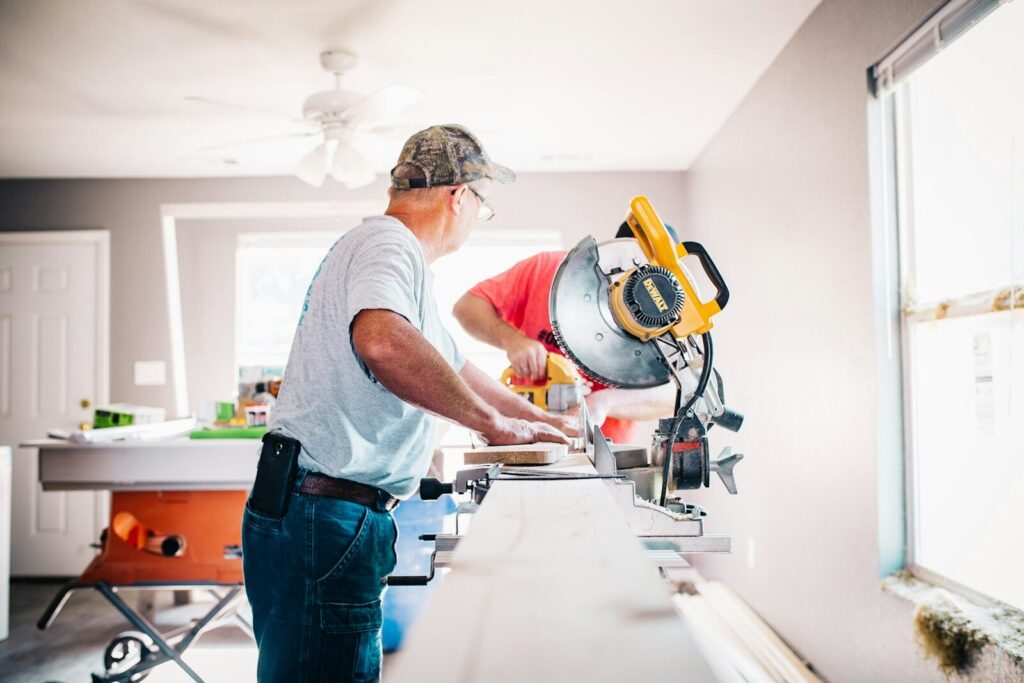
Remodel timeline guidance for Peachtree Corners, GA homeowners starts with clear numbers, realistic timelines and local knowledge.
One of the first things homeowners ask us is how long a remodel will take, and the second is how long they will have to live without a kitchen. Both are reasonable worries. A remodel touches your daily routine, your budget, and your patience, so knowing the rhythm of a project makes it much easier to handle. In this guide we explain the stages every remodel moves through, what makes some projects fast and others slow, and how to keep a Peachtree Corners project on schedule. Also, we will avoid promising exact dates, because honest timelines depend on the project. What we can do is show you what shapes them.
Peachtree Crest Renovations works with homeowners throughout Peachtree Corners, and the lessons below come from the questions we hear most often before a project begins.
The short answer: it depends on scope, not just size
A small bathroom refresh can be a matter of days or a couple of weeks. A kitchen is commonly a matter of weeks to a few months. In addition, a basement finish, a major addition, or a whole-home renovation commonly runs longer, sometimes many months. Additionally, these are general patterns, not guarantees, and your own schedule will be set in your written agreement after we see the space.
Notice that we said scope, not size. A large room with simple, in-place cosmetic work can finish faster than a small room with a complete gut, moved plumbing, and custom tile. What matters is how many trades are involved, how many inspections are required, and how long the materials take to arrive.
- Cosmetic updates such as paint, hardware, lighting, and some flooring tend to be the quickest.
- Single-room remodels such as a kitchen or bathroom involve demolition, rough-in work, inspections, finishes, and punch list items.
- Structural projects such as additions or opening walls bring design, engineering, permits, and more stages.
- Whole-home projects combine several of these, and usually need careful sequencing.
The phases every remodel goes through – remodel timeline advice
Nearly every project follows the same arc, even though the length of each phase changes. Knowing the arc helps you see where you are at any given moment.
Phase one: consultation and scope. We visit the home, listen to your goals, look at the existing conditions, and discuss a budget range. This stage ends with a written scope. It is also the best time to ask every question you have.
Phase two: design and selections. Layouts are confirmed, and you choose cabinets, tile, counters, fixtures, flooring, and lighting. This phase is the one homeowners most often underestimate, and it is the one that most often controls the schedule, because ordering cannot start until decisions are made.
Phase three: permits and ordering. If your project needs permits, they are requested and reviewed. Materials with long lead times are ordered. Some of this can happen at the same time, which saves weeks.
Phase four: demolition and rough-in. Old materials come out. Framing, plumbing, electrical, and mechanical work is installed inside the walls and floors. This is the noisy, dusty stretch. Inspections for the rough work usually happen before anything is closed up.
Phase five: close-in and finishes. Insulation, drywall, tile, cabinets, counters, flooring, and paint. This is where the space starts to look like your plan, and it is where you will notice progress most.
Remodel timeline: what this means for your project
Phase six: final details and walkthrough. Fixtures, trim, touch-ups, final inspections, and a punch list walkthrough together. We do not consider a job finished until you are satisfied with the list.
A common surprise is that the planning phases before construction can take as long as the construction itself. That is normal, and it is time well spent, because a clear plan makes the building phase faster and calmer.
Limited offer
Free In-Home Consultation
Walk your space with a licensed Peachtree Crest Renovations estimator and get a written scope and range. Mention code FREECONSULT when you book.
Claim this offer →Timelines by project type
Here is how the major project types tend to behave. Treat these as general patterns that help you plan, not as promises.
Kitchens. Kitchens involve cabinets, counters, plumbing, electrical, flooring, and appliances, so they carry many dependencies. Counters are often templated after cabinets are installed, which adds a gap before they arrive. A refresh that keeps the layout is commonly quicker than a full redesign. See our kitchen remodeling page for what is involved.
Bathrooms. Bathrooms are compact, but waterproofing and tile require curing and drying time that cannot be rushed. A cosmetic update is usually fast. A full gut with a new shower takes longer, and a custom tile design takes longer still. Learn more on our bathroom remodeling page.
Basements. A finished basement depends heavily on moisture. If the space has water issues, those must be solved first. Framing, insulation, electrical, and an egress window or bathroom, if included, extend the schedule.
Additions. New square footage means foundation, framing, roofing, exterior finishes, mechanical systems, and interior finishes, plus engineering and permit review. Additions are among the longest projects because so many stages depend on one another, and weather can matter. See home additions.
Whole-home remodels. The longest of all, because they combine several projects and require careful sequencing. Many families choose to move out for part or all of the work.
Remodel timeline: local planning notes
Outdoor living. Decks, patios, and porches are usually faster than interior projects, but they are the most affected by weather and by the time needed to obtain special-order materials.
What makes a remodel run longer – remodel timeline advice
Delays almost always come from a short list of causes. Knowing them lets you head them off.
- Late or changing selections. The single most common cause. If cabinets or tile are chosen after work starts, everything waits.
- Long lead times. Custom cabinets, special-order tile, windows, and certain appliances can take weeks to arrive.
- Hidden conditions. Water damage, rot, outdated wiring, or pest damage found after demolition require repair before work continues.
- Permit and inspection timing. Reviews and inspections are scheduled by the authority having jurisdiction, so they are not entirely in anyone's control.
- Scope changes. Adding a pantry or moving a wall midstream changes the plan, the order of trades, and sometimes the permit.
- Weather. It matters for exterior work, roofing, and foundations, and Georgia summers bring afternoon storms.
- Trade scheduling. Plumbers, electricians, and tile setters must come in the right order. One slip can push the next trade back.
Many of these are within your control, and the biggest lever is simple: decide early. Homeowners who finish their selections before demolition tend to see smoother, shorter projects.
Permits and inspections in Peachtree Corners
Permit timing is a real part of the schedule. In Peachtree Corners, building permits are typically handled through the City of Peachtree Corners, and some reviews or inspections may involve Gwinnett County depending on the work. Furthermore, we confirm which applies to your address and project, since requirements can differ.
Projects that commonly need permits include additions, structural changes, and new or relocated electrical, plumbing, or mechanical work. Cosmetic work often does not. Moreover, when permits are required, inspections happen at set points, commonly after rough-in and again at the end. Work is not supposed to be closed up until the rough inspection passes, so the inspection date can pause progress for a day or more.
A good contractor plans around this. Also, we request permits early, schedule inspections as soon as the work is ready, and keep trades lined up so that when an approval comes through, work resumes right away. If your neighborhood has a homeowners association, check whether exterior projects need its approval too, because that review is separate and can take time.
Planning ahead: how to start on the right foot
The calmest remodels are the ones that were well planned before the first hammer swung. In addition, these steps help.
- Define your goals. Know what you want to fix, such as storage, light, flow, or safety, and rank those goals.
- Set a budget range and a contingency. Money problems cause delays, because decisions stall when funds are uncertain.
- Choose your selections early. Visit showrooms, order samples, and confirm availability before construction starts.
- Ask about lead times. Ask your contractor which items take the longest, and order those first.
- Book your start date realistically. If you want a project finished before a holiday or event, plan backward and leave buffer time.
- Agree on communication. Decide how often you will get updates and who your point of contact is.
Our planning guide expands on each of these, and our process page shows how we organize the stages from first visit to final walkthrough.
If you are weighing a project in the context of your home's value, it may help to know that Peachtree Corners has about 18,028 housing units with a median home value around $425,100, and a little over half of homes are owner-occupied. Many neighbors are improving rather than moving, which means skilled trades can be busy at certain times of year. Booking early gives you more choice of start dates.
Source: City of Peachtree Corners, Community Profile and Demographics (peachtreecornersga.gov).
Living through a remodel: how to cope day to day
A remodel is a project, but it is also a stretch of your life. Additionally, a little preparation makes it much easier.
Kitchen projects. Set up a temporary kitchen in another room with a microwave, a small refrigerator or cooler, a hot plate or slow cooker, and paper or reusable dishes. Plan for simple meals and a few takeout nights. Many families find that a washing station in a bathroom or laundry room is enough.
Bathroom projects. If it is your only bathroom, plan ahead for showering elsewhere, such as a gym, a friend or family member, or a temporary arrangement. Ask your contractor how long the bathroom will be unavailable.
Dust and noise. Good contractors use plastic barriers, floor protection, and air filtration, and they clean up each day. Still, dust travels, so cover furniture you cannot move and keep HVAC filters fresh. If you work from home, plan for noisy days at a coffee shop or library.
Pets and children. Keep them away from the work area. Open doors, tools, and exposed materials are hazards. Tell your crew about pets so gates and doors stay closed.
Communication. A short daily or weekly check-in prevents small questions from becoming big delays. Keep a shared list of questions and decisions, and respond quickly when your contractor needs an answer. Fast decisions are the best gift you can give your own schedule.
Keeping the project moving: what a good contractor does
When a contractor manages a schedule well, it shows in small ways. Materials are ordered before they are needed. Trades arrive in the right order and on the days promised. Inspections are booked the moment work is ready. And you hear about a problem the day it appears, not the day it becomes a crisis.
Ask any contractor you are considering how they build a schedule, what they do when a delay occurs, and how they will tell you about it. Ask whether the timeline is written into the agreement, and how changes will be documented. A clear answer is a good sign.
Be wary of anyone who promises an unrealistically fast finish. Speed that skips curing times, inspections, or proper preparation usually costs more in the end. The goal is a finished space that lasts, not simply one that finishes quickly.
Finally, remember that a few days lost to an inspection or a late delivery rarely matter in the big picture. A project that is finished correctly is one you will enjoy for many years.
Share of project cost recouped at resale, selected projects, 2025
Source: Remodeling magazine, Cost vs. Value Report 2025 (national averages, share of project cost recouped at resale).
Remodel timeline: budget and scheduling points
Why include value in a timeline article. Because it can help you decide how much schedule and disruption a project is worth. According to the Cost vs. Value Report 2025, a minor midrange kitchen remodel recouped 111.8 percent of its cost nationally, while a primary suite addition recouped 36.6 percent. Furthermore, the smaller projects are usually faster, too. That does not make an addition a bad idea, since it may be the only way to get the space your family needs, but it is worth knowing before you commit to a long build.
Limited offer
Free In-Home Consultation
Walk your space with a licensed Peachtree Crest Renovations estimator and get a written scope and range. Mention code FREECONSULT when you book.
Claim this offer →Frequently asked questions
How long does a kitchen remodel take?
Commonly a matter of weeks to a few months, depending on whether the layout changes, how long cabinets and counters take to arrive, and what is found behind the walls. A refresh that keeps the layout is generally quicker than a full redesign.
How long does a bathroom remodel take?
A cosmetic update can be quick, while a full gut with new tile and a new shower takes longer because waterproofing and tile need time to cure. We give you a written schedule after seeing the space.
Does the permit process add time in Peachtree Corners?
It can. Permits are typically handled through the City of Peachtree Corners, with Gwinnett County involved for some items, and inspections occur at set points. We request permits early and schedule inspections promptly to keep things moving.
What is the most common cause of delays?
Late or changing selections. Deciding on cabinets, tile, and fixtures before demolition begins is the best way to keep a project on schedule. Long lead times and hidden conditions are the next most common causes.
Do I need to move out during a remodel?
Not for most single-room projects. Families commonly stay home and set up a temporary kitchen or alternate bathroom. For whole-home projects or major additions, some families choose to relocate for part of the work.
When should I start planning if I want to finish before a holiday or event?
Plan backward from your target date and leave buffer time. Start the consultation and design stages early, since planning and ordering can take as long as construction, and book your start date as soon as selections are final.
Keep reading: Our remodeling process · Planning your project · Whole-home remodeling
Plan your remodel timeline with a local team
Call (470) 847-9076 or request an estimate. Licensed and insured, serving Peachtree Corners, GA.
Request an estimate →Remodel timeline key takeaways
- Start every remodel timeline project with a written scope, a budget range and a target finish date.
- A realistic remodel timeline plan separates must-haves from nice-to-haves before bids are requested.
- For remodel timeline in Peachtree Corners, GA, confirm permits and HOA rules before design is final.
- Ask for a written estimate that itemizes labor, materials and allowances for your remodel timeline work.
- Good remodel timeline planning accounts for local lot sizes, older homes and Georgia weather.
- Book a free in-home consultation to price your remodel timeline project with a licensed local team.
- Compare at least two written bids so your remodel timeline budget rests on real numbers.
- Keep a 10 to 15 percent contingency in your remodel timeline budget for surprises behind walls.
Remodel timeline FAQ
What should I know first about remodel timeline in Peachtree Corners?
Define scope, budget and timeline, then compare written estimates. Remodel timeline projects go smoothly when decisions are made before demolition.
How do I budget for remodel timeline?
Add a contingency of 10 to 15 percent to your remodel timeline budget and confirm allowances in writing.
Does remodel timeline need a permit?
Many remodel timeline projects in Gwinnett County need permits, so ask your contractor to confirm requirements before work starts.
How do I get started?
Call (470) 847-9076 or request a free in-home consultation with code FREECONSULT to start your remodel timeline plan.
Source for cost-versus-value figures: Remodeling magazine Cost vs Value report. Local market figures use the Peachtree Corners city profile.